
Best PMU Training Courses: What to Look For and Red Flags to Avoid
With so many options, it can be difficult to know which PMU training courses are reputable and which might leave you lacking the necessary skills and experience you need to carry out safe treatments and create flawless looks for your future clients.
Read on to find out what PMU training is, why it’s the essential starter for a successful career, what to look for in a course, and the red flags to be aware of. Plus, we’ll highlight some trusted educators and training programmes to help you make an informed decision.
What Is PMU Training?

Permanent makeup training teaches artists how to safely apply pigments to enhance facial features, such as eyebrows, lips, and eyeliner. It can also encompass medical tattooing, such as areola, scar camouflage and scar coverage.
For beginners, the training covers essentials like working with different skin types and tones, pigment selection, hygiene best practices, and techniques needed to create beautiful results for clients.
Why PMU Training Is Important
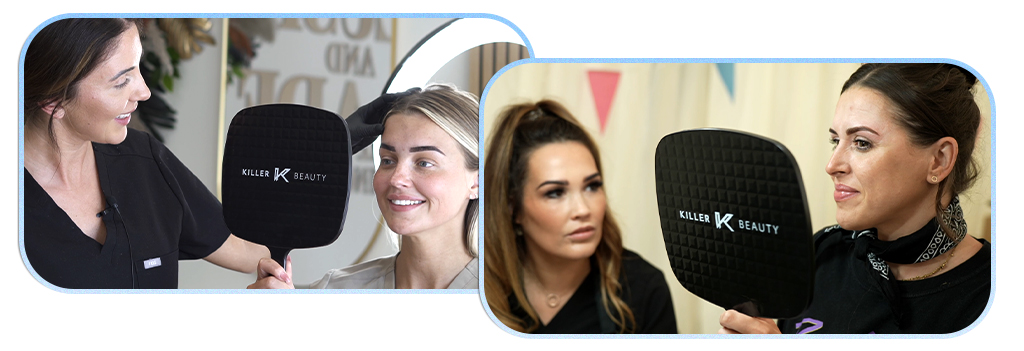
Investing in PMU education and training from a reputable course or trainer is important for several reasons:
- Healed Results: Learning the correct techniques and gaining an understanding of reputable brands for machines, cartridges, and pigments, as well as the best hygiene practices to follow, ensures that your work heals beautifully and consistently every time.
- Pigment Knowledge & Colour Theory: Understanding pigments and how they interact with skin tones prevents unwanted colour shifts over time.
- Professionalism & Client Safety: Training in hygiene, sterilisation, and client consultation ensures safe and ethical practice.
Training shouldn’t stop after you’re qualified either, you should continue learning and educating yourself throughout your career. Some good resources you can explore include:
- Killer Beauty YouTube Channel & Blog: Our channel features tutorials and other educational content with several experienced artists and our blog features guides on different aspects of permanent makeup from consultations with clients to specific treatments and techniques and the best PMU supplies to use to help you achieve flawless results.
- Killer Beauty Sponsored Artist Page: Learning from and engaging with more experienced artists in the industry, such as through their socials or at events and conferences, is the perfect way to build on your knowledge and network within the community.
- Jasmine Diebelius Colourant Manual: An incredible comprehensive guide to understanding pigments and how to select them for your clients.
[product skus=”BK-JASMINE-UK”]
What to Look for in a PMU Training Course
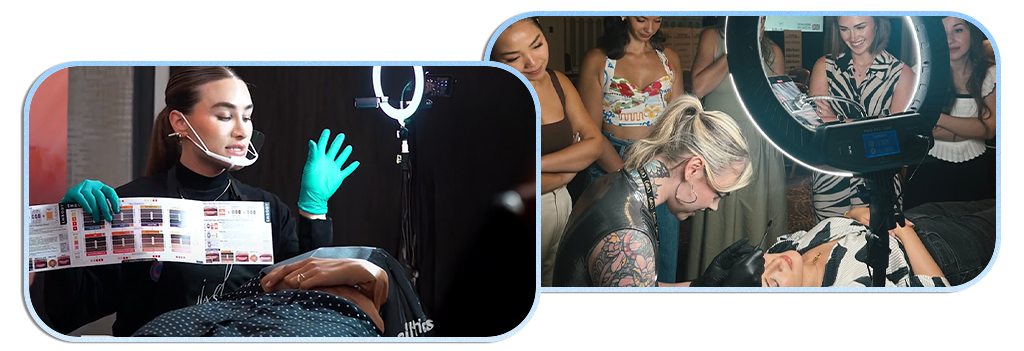
There are several factors to consider before choosing a course for your PMU training:
- Accreditation: Ensure the course is recognised by professional PMU organisations.
- Hands-on Practice: Look for courses with live demos and model work. The more practical experience you get, the better prepared you’ll be.
- Theory & Education: Courses should cover skin anatomy, pigment theory, colour correction, and aftercare, not just practical techniques.
- Class Size: Smaller classes allow for more individual attention and guidance from the trainer. Large classes may mean less hands-on support.
- Trainer Experience: Choose educators with several years of industry experience and a portfolio of healed work to demonstrate consistent results.
- Ongoing Support & Reviews: A reputable course should offer continued guidance. Checking for positive student reviews can help validate the programme.
Recommended PMU Training Courses / Educators

Killer Beauty partners with trusted and reputable training academies and sponsors experienced artists and trainers, including:
- Antony Turner PMU
- Becci Gibbons
- PMU Gold Academy by Sophie Dodds and Tilly Rae
- Jessica Marie PMU Studio
- Face Forward PMU by Hannah Hood
- House of Bellissima by Sarah Fleming
- Alex PMU and Laser academy by Alexandra Mechenici
If you’re unsure about where to find training, you can reach out to our social team on the Killer Beauty Instagram for more guidance!
Red Flags to Watch Out for in PMU Training Courses

Knowing what to avoid is just as important as knowing what to look for. Be cautious if a course shows any of these warning signs:
- No Healed Results Shown: A reputable trainer will have before-and-after examples of healed work, not just fresh applications.
- No Colour Theory Education: Understanding pigments and colour theory is essential; courses skipping this are not comprehensive enough.
- Overpromising Results: Avoid courses claiming overnight expertise or unrealistic outcomes. PMU is a skill that requires time to learn properly; one-day crash courses rarely provide enough practice.
- No Ongoing Support: Learning shouldn’t stop when the course ends, check if post-training guidance is offered.
By keeping an eye out for these red flags, you can avoid wasted time and ensure your PMU training sets you up for long-term success.
Investing in professional PMU training is an important step toward building a safe, skilled, and reputable career in the industry. Focus on courses that combine theory, practical experience, and ongoing support. Learn from trusted educators and always watch for red flags to avoid disappointing results.