PMU Practice Skin Guide: How to Master Hair Strokes, Powder Brows & Lip Blush
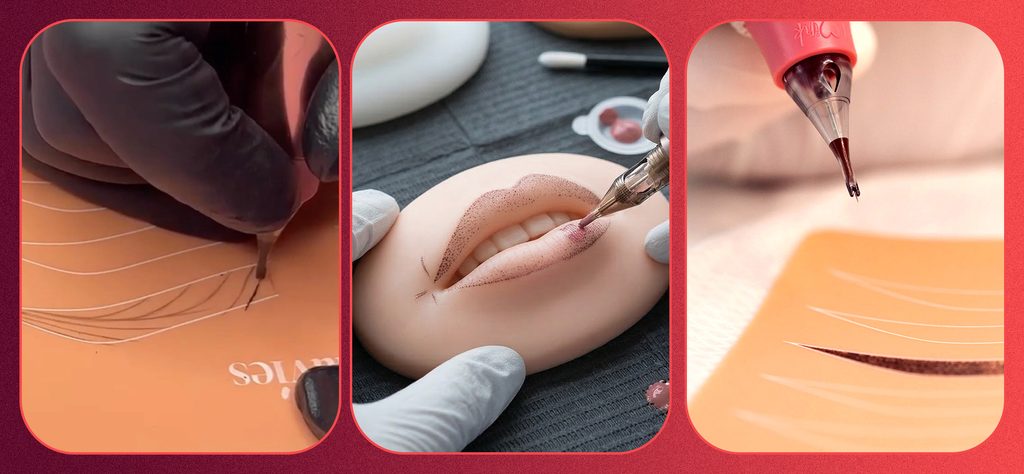
As a beginner permanent makeup artist, practice skin is a tool that can help you build skills, develop techniques, and grow your confidence before you start working on a real client. Learn how to practise hair stroke brows, powder brows, and lip blush on practice skin in our helpful guide, filled with artist advice, recommendations for beginner-friendly PMU essentials, and insight into the skills you can build with consistent practice.
What Is A PMU Practice Skin?
A PMU practice skin is a synthetic surface designed for practising permanent makeup techniques before you work on a real client. They’re great for beginners but experienced and advanced PMU artists also use them regularly to continue growing and learning, build on their existing skills as well as try out new techniques and supplies.
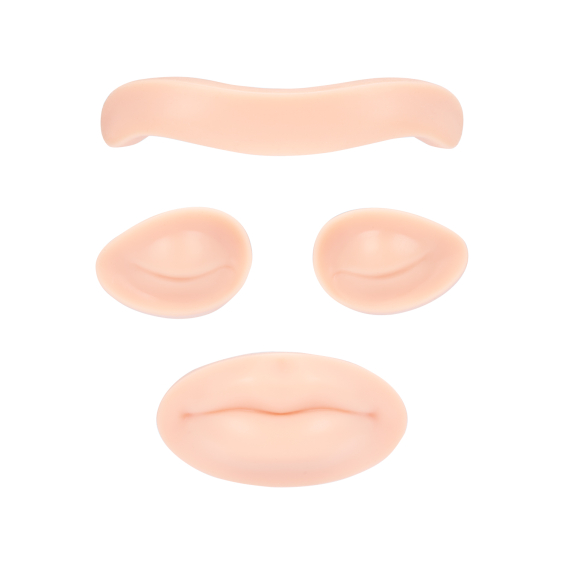
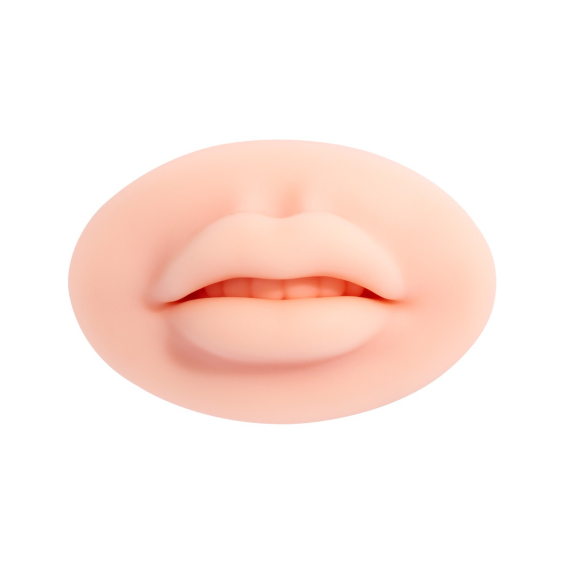
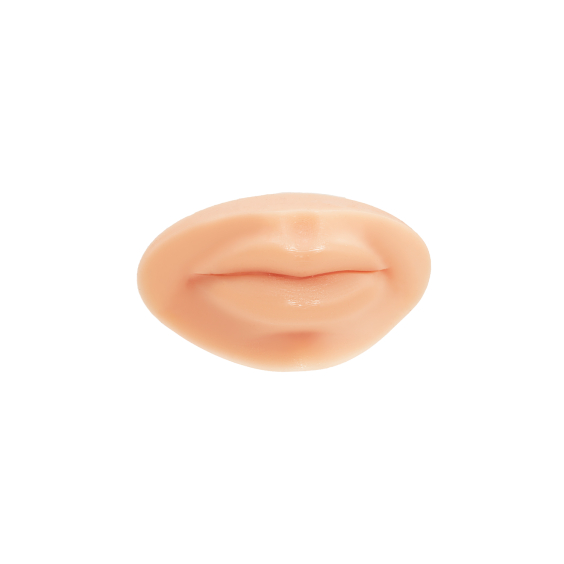
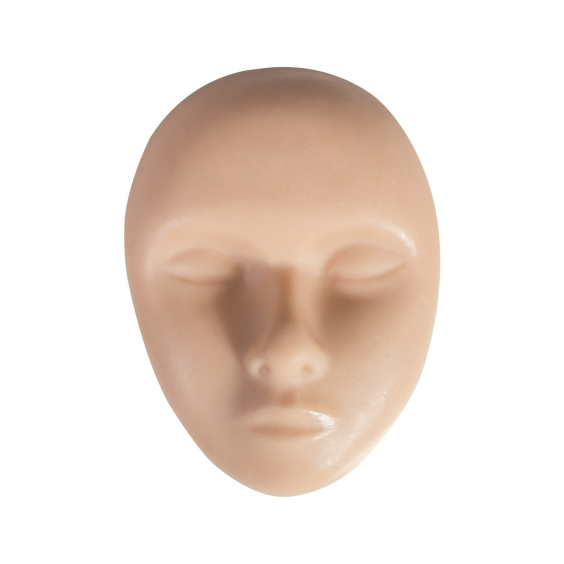
Fake skins come in different shapes, colours, and sizes to help replicate different skin tones and textures. Shaped options like the Reelskin Synthetic Practice Face, 5D Soft Silicone Practice Lips and A Pound of Flesh PMU Practice Lips help you learn to work with contours, as most faces aren’t flat. They also let you practise your hand and finger placement, and how to stretch the skin as you work.
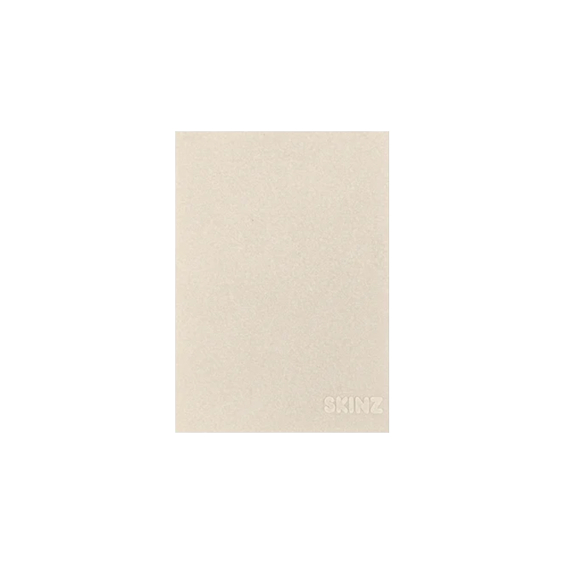
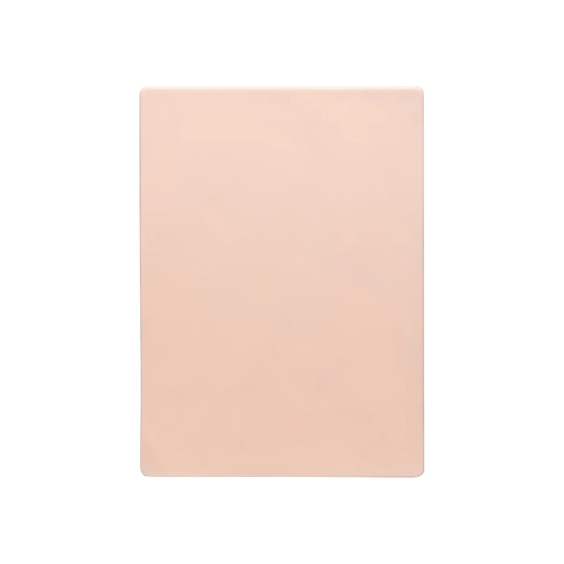
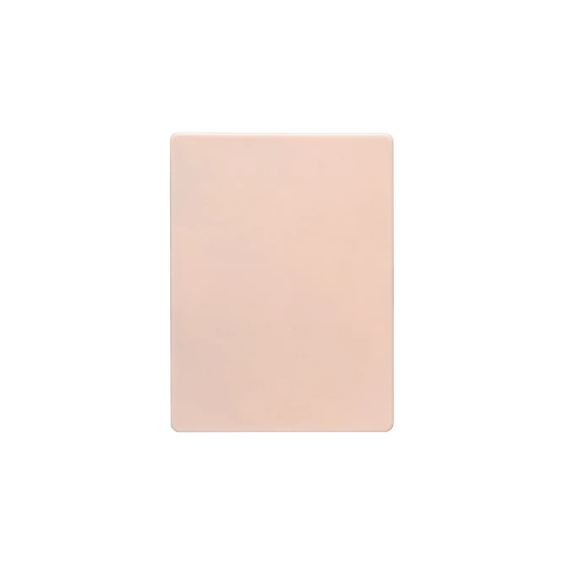
Flat canvases come in sizes like the A Pound of Flesh 6 x 8 and 8 x 11, and the Skinz A5, which are good for practising hair strokes and shading.
Some come in specific Fitzpatrick tones, like the 5D Soft Silicone Practice Lips (Tone 1) and the A Pound of Flesh Flat Face (Tone 2), so you can practise on more than one skin tone, helping to understand colour theory and accuracy.
Although fake skins aren’t an exact replica of real skin due to skin type, tone and texture varying across clients, they can let you practise your technique as well as get used to your machine, cartridges, and pigments.
Why Use A Practice Skin First?
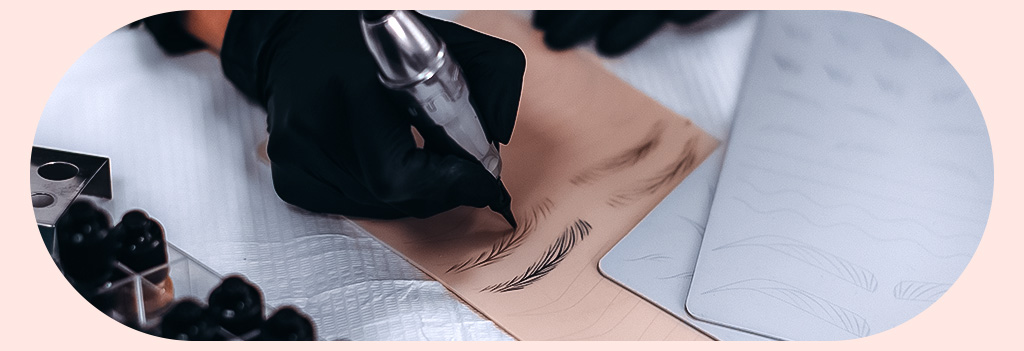
Practice skins let you learn at your own pace and give you space to make mistakes before you work on a real client. Here’s why you should always use a fake skin first:
- Build muscle memory. Repeating the movements helps your hand learn them.
- Test your machine, needles and pigment. Find out how they work together, including pressure needed to implant pigment, needle depth, and how much pigment you need.
- Make mistakes without consequences. You can wipe it clean and try again if you get it wrong.
Keep in mind that practice skins help support your training, but you should make sure you choose a reputable training course and trainer who can guide you and teach you the proper skills and knowledge you need to qualify as a PMU artist.
What You’ll Need To Practise Permanent Makeup
It’s important to choose high-quality, beginner-friendly supplies when you first start training as a PMU artist, here’s what we recommend:
| PMU Essential | Why it’s good for beginners |
| Practice skin: Practice skin | A safe way to practise lining, shading and more before you work on a real client. |
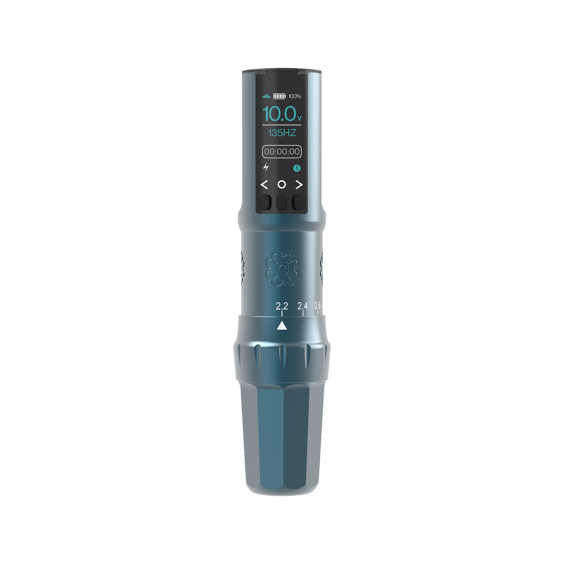
| Machine: Microbeau ELB | The adjustable stroke lets you practise techniques across a range of treatments, including eyes, lips, and brows. |
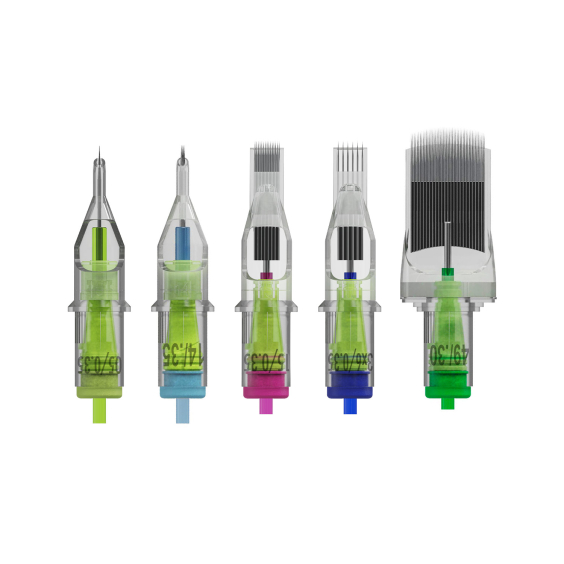
| Cartridges: Peak Stellar cartridges | Colour coded, so they’re easy to identify, with lots of configurations to choose from for practising different techniques. Super stable to help beginners who aren’t as steady handed as more experienced artists. |
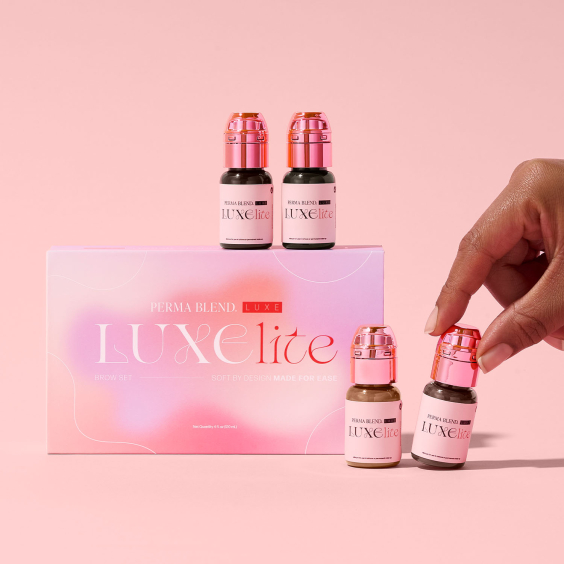
| Pigments: Perma Blend LUXE Lite | A more forgiving formula that’s perfect for newer artists needing to build confidence. |
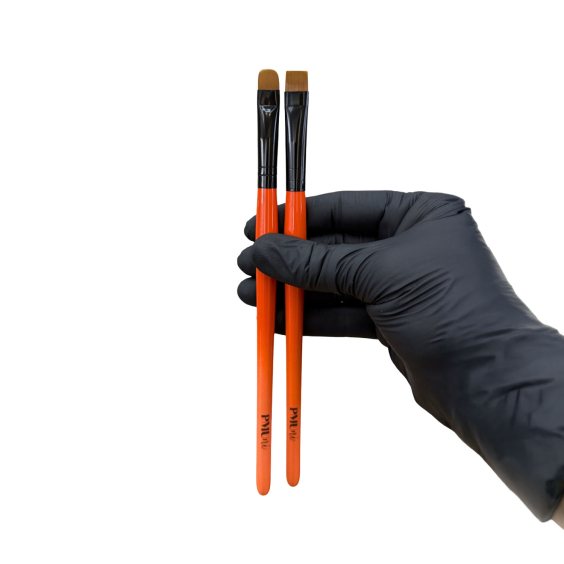
| Mapping: PMUni Carve Pre-Draw Brushes | Perfect for practising mapping and symmetry. |
| Pigment swatches: Perma Blend Drawdown Pad | Shows a pigment’s undertones and opacity on a white or skin tone pad, so you learn how your pigments behave. |
As an alternative, you can shop our selection of PMU training kits which combine essential supplies you need to get started as a student.
How To Practise Different PMU Techniques
Each treatment requires different techniques, that when you practise, can help build a different skill.
| Treatment | Difficulty | What you’re learning | Good to practise on |
| Powder brows | Beginner to intermediate | Soft, even shading and a smooth fade | Flat canvas or practice face |
| Lip blush | Intermediate | Symmetry, soft colour and working with curves | Practice lips |
| Hair stroke brows | Advanced | A natural hair stroke pattern and fine, even lines | Flat canvas or practice face |
Powder Brows
Powder brows are all about soft, even shading and building the colour up gradually. Make sure you map a symmetrical shape first, so you have a clear outline to work to and then start by practising smooth, even shading in a steady motion and building the colour in light layers.
Common mistakes include patchy colour, building colour too fast and hard edges where you want a soft fade. An uneven speed or pressure is another one to watch.
You’ll know you’re improving when the colour looks smooth with no patches, the edges fade softly and both brows match in shape and depth.
Lip Blush
Lip blush adds curves and symmetry to the mix and practice lips help you get used to working with them.
Start by mapping a symmetrical shape, including the cupid’s bow and corners. Practise your hand and finger placement, and how to stretch the lip as you work. Then focus on building soft, even colour in layers and keeping the edges soft.
Watch out for a lopsided shape, patchy colour, overworked corners and a heavy outline when you want a soft look.
You’ll know you’re improving when both sides of the lips match, the colour is even with soft edges and the corners look clean.
Keep in mind that practice lips can’t show you how colour heals, and understanding colour theory is just as important in PMU as building your practical skills. For more on symmetry and colour, read our lip blush symmetry and colour accuracy guide or take a look at our video lip blush tutorial with permanent makeup artist Kirsty Cunningham.
Hair Stroke Brows
Hair stroke brows are a more complex treatment and take the most practice and consistency. You’re not only working on symmetry, shape and shading. You’re also creating a natural, flattering stroke pattern, and placing pigment accurately enough to get very fine strokes that aren’t over-saturated.
Most beginners won’t start here, because it’s a more advanced technique but practice skin is essential for learning hair strokes at any stage.
Start by mapping the brow shape and then practising stroke direction, following the way natural brow hair grows. Work on fine strokes of an even length and thickness, and space them evenly so they don’t cross.
Common mistakes include strokes that are too thick or too heavy, and over-saturating the pigment, a pattern that looks too uniform instead of natural, and going over the same area too many times.
You’ll know you’re improving when your strokes are a consistent thickness and length, and the pattern looks natural and follows the shape. Both brows should match, and you should be able to finish a full brow without overworking any area.
Learn more from expert PMU artist, Hannah Hood, in her hair stroke brows tutorial.
Tips From a PMU Trainer
Practice skin is a big part of how every artist learns, but how do you get the most out of it? We asked PMU trainer Jessica Marie for her advice, including why she encourages students to keep practising even after they qualify.
“As a Permanent Makeup Artist with over 10 years of experience and now a PMU Trainer, I cannot stress enough how important practising on practice skins is, whether you’re a complete beginner or an experienced artist looking to perfect your techniques.
I truly believe that the more you practise, the more muscle memory you develop. This is especially important when creating intricate hairstroke patterns, where consistency, hand movements, needle control and precision are everything.
The more time you spend practising on skins, the more natural those movements become, helping you build confidence and refine your technique before working on real skin.
Practice skins have evolved massively over the years. We’re now lucky enough to have incredibly realistic options that closely replicate the texture, resistance and feel of human skin.
My absolute go-to are ReelSkin practice pads. They’re thicker than traditional latex skins, with a much more realistic consistency that makes practising feel closer to working on actual skin.
I always encourage my students to practise as much as possible, even after qualifying. You never stop learning in this industry, and I genuinely believe that the more you practise, the more confident, consistent and skilled you become.
Practice makes progress, and that progress is what makes a great artist.”
Jessica Marie | Permanent Makeup Artist & Trainer | Jessica Marie Training Academy
Frequently Asked Questions
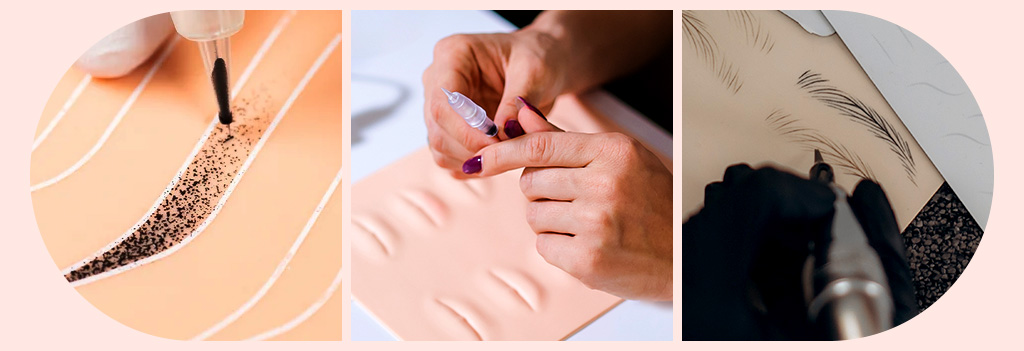
Is practice skin enough to learn permanent makeup?
No. Practice skin builds your technique, but it doesn’t replace proper training. Real skin behaves differently, so you’ll still need guidance from a qualified trainer.
Can you reuse practice skin?
Often, yes. It depends on the material and how much it’s been worked. Once a surface is worn, torn or heavily marked, it’s better to replace it.
Related Guides
- The Ultimate Guide To PMU Needles
- The Ultimate Guide To Choosing Your First PMU Machine
- Best Practices For PMU Skin Preparation
- What Supplies Do I Need For Microblading?
Product Highlights